Our approach to our landscape is: Restoration, Exploration and Preservation. One thing we really pay attention to is the natural systems that have worked for millions of years – Director of Horticulture, Kimberly Kelly
Green lacewings and ground beetles don’t normally come to mind when thinking about beneficial insects. We’re likely more dazzled by their more colorful and bold counterparts such as the butterfly, firefly, and the adorable ladybug.
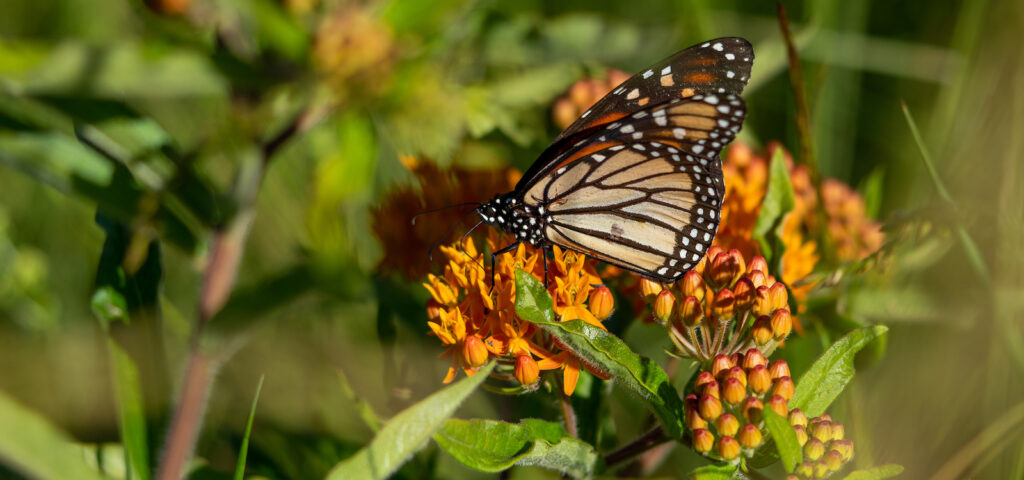
The restoration of Grace Farms’ nearly 80 acres of natural landscape provides a thriving habitat for beneficial insects.
Wondrous as these scene-stealing beneficial insects are, there is an amazing cast of other useful insects. The list is long considering the estimated 10 quintillion insects (10 plus 17 zeroes) on the plant, according to Cornell’s College of Agriculture and Life Science. Insects mostly get “bad press” because mosquitoes can spread malaria, and invasive pests can devastate forests, gardens and crops. “But it’s not just the bees we couldn’t live without. In addition to pollinating flowers and farmlands, beneficial insects help control agricultural pests and are critical in maintaining balanced natural ecosystems.”
The 10 quintillion insects represent about 80% of the world’s species, “making them the most diverse group of animals in our world,” adds Cornell. While this may seem like an unlimited supply, insects are declining around the world at an alarming rate, according to the nonprofit Earth.org. “The main causes of insect population decline include pesticide use, habitat destruction, climate change, pollution, and invasive species.”
Some causes include:
Monocultures and manicured landscapes reduce nectar sources, shelter, and breeding sites, making it difficult for insects to survive.
Rising temperatures, shifts in rainfall patterns, and increased frequency of extreme weather events is disrupting insect life cycles and the availability of food sources.
Invasive species, defined by a population of non-native species that cause ecological and economic harm.
Why Protect and Create Habitats for Beneficial Insects?
One of their most important roles is pollination: About 75% of flowering plants rely on pollinators such as birds, butterflies, bettles, and even flies, while nearly 35% of global crop production rely on insect pollination, adds Earth.org. Losing the insects that pollinate our plants “would have catastrophic repercussions on both wild plant reproduction and food systems, impacting natural biodiversity, human nutrition, and agricultural economies.”
Besides reducing or eliminating our reliance on artificial pesticides and fertilizers, practicing ethical and sustainable land stewardship such as the restoration of natural habitats and the use of native plants can help mitigate invasive plant and insect species from taking over. In New England, alone, there are at least several invasive insects that can threaten New England’s ecosystems and landscapes. They include the Emerald Ash Borer, Asian Longhorned Beetle, Spotted Lanternfly, and the Spongy Moth, to name a few, which can cause severe damage to forests and agriculture, according to Connecticut’s Department of Energy & Environmental Protection.
In a recent New York Times article, Evelyn Beaury, assistant curator at the New York Botanical Garden’s Center for Conservation and Restoration Ecology, said we need to be proactive rather than wait for the onslaught of invasive species. “It’s so much easier to do something about an invasion when it’s in an early stage. Your chances of success are much higher.”
Grace Farms’ Approach to Biodiversity & Sustainability
Since opening in October 2015, Grace Farms has become a model of ethical and sustainable land stewardship. Some of the milestones include converting 70% of mowed lawn, a monoculture species that lacks ecological diversity, into 10 biodiverse habitats including woodlands and meadows. The installation of thousands of native plants and grasses has significantly enhanced our biodiversity. In addition to caring for over 2,000 trees that represent 50 different tree species, in 2024, our Director of Horticulture, Kimberly Kelly, and her team sowed 18 pounds of native grasses and pollinator plants. These seeds have the potential to generate over 3 million various species of native grasses. The on-going effort to foster and preserve biodiverse habitats attracts beneficial insects, providing a variety of plants for food and shelter, which helps keep pest populations down without the need for pesticides and other harmful environmental chemicals.

The meadows at Grace Farms provide shelter and food for all wildlife, as well as inspiration for visiting environmentalists and artists.
To share our practices, Grace Farms’ Director of Horticulture and our Education Team, have developed a series of hands-on learning experiences for people of all ages and backgrounds. Below are highlights of the learning events through the summer season.
Grace Farms Events
Pop-up Talk | Caterpillar Compass
Wednesday, July 30, 11:00 am – 11:30 am (series)
This 15-minute pop-up talk introduces the Caterpillar Compass, an interactive field guide bringing families with young visitors on an outdoor adventure to discover the incredible lives of caterpillars and butterflies.
Caterpillar Compass, which comes with a compass and booklet, guides visitors around the natural landmarks that shelter butterflies and caterpillars. At special stopping points, the guide offers prompts where children can write, draw, or talk to a friend about what they see.
You can also pick up a self-guided booklet at the Noticing Nature pop-up talk in the Commons.
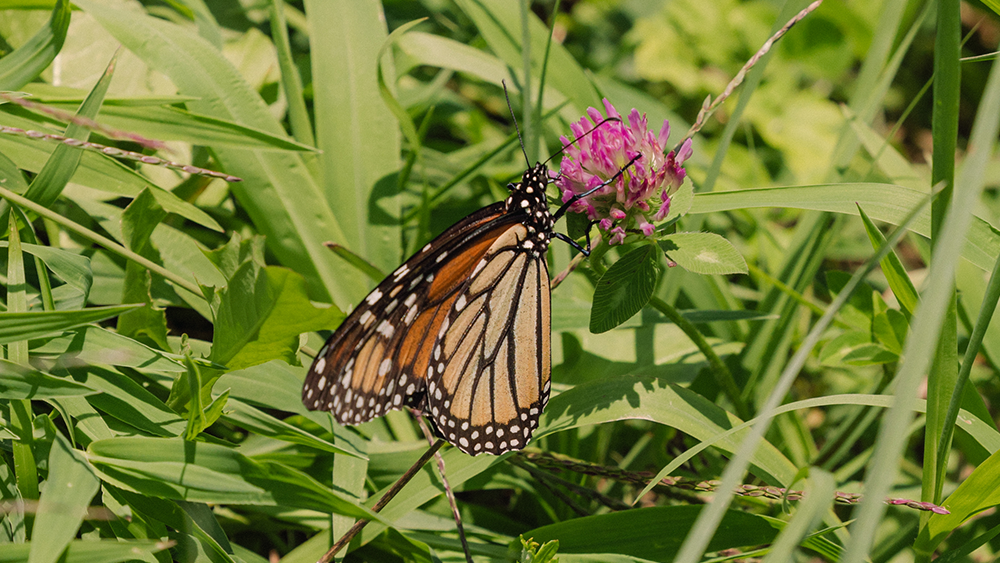
Thursday, August 21, 1:00 pm – 3:00 pm
This facilitated family-friendly program will explore the hidden, and surprisingly beautiful, life of insects and nature. Using magnifying tools, equipment, and high resolution micrography, nature enthusiasts of all ages will encounter caterpillars, butterflies, and other amazing insects and natural specimens. Participants will explore the world we cannot see on our own where the ordinary becomes the extraordinary and experience the awe of nature’s small wonders.
Recommended for ages 8 and up.
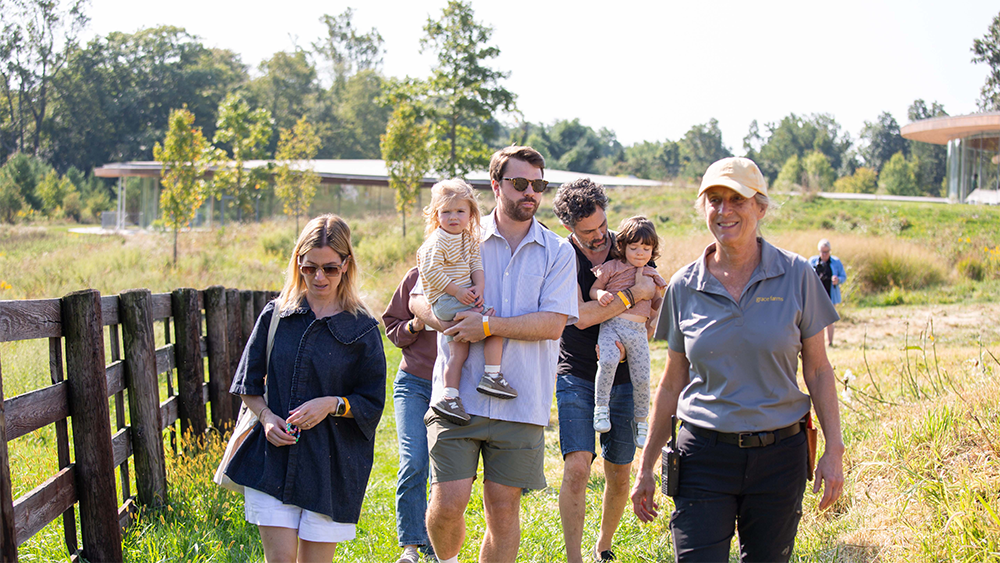
Kimberly Kelly, Director of Horticulture, as well as our Education Team, helps visitors discover the wonders of nature all around us.
Learning with Nature | Look at Butterfly Life
Saturday, August 23, 11:00 am – 12:00 pm
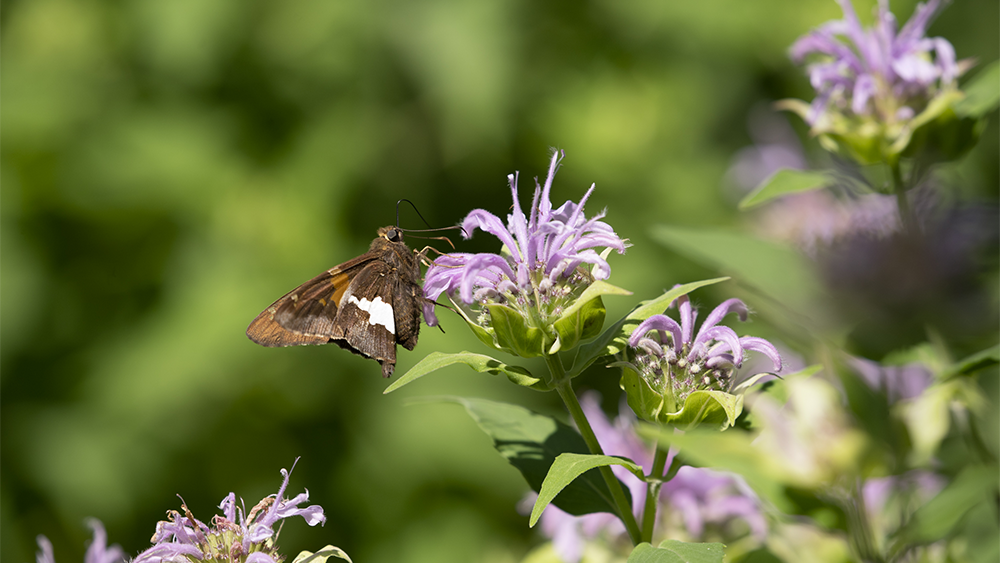
Butterflies have captured the human imagination with their vibrant colors and daytime activity, symbolizing transformation and beauty. The magnificent patterns found on butterfly wings make these insects a wonder to behold. In this indoor-and-outdoor workshop for all ages, we will learn about how butterflies indicate a healthy ecosystem, look at host plants for caterpillars, and enjoy summer moments watching butterflies in the landscape.
Small Wonders to Discover and Why We Need Them
Ladybugs
The unmistakable ladybug, often identified by their vibrant colors and spotted wings, also known as ladybird beetles or lady beetles, are among the beneficial insects due to their voracious appetite for harmful insects such as aphids: The gentle ladybug can consume up to 50 a day, according to Earth Day 2025. Aphids feed on a plant’s sap, causing damage to its leaves, stems, and flowers. The hard-to-see aphid leaves behind a sticky clear paste called honeydew, which can promote the growth of sooty mold, causing further harm to the plant and attracting other pests like ants that like to feed on its sweet sap.
“Beyond their pest control abilities, ladybugs also serve as essential biodiversity indicators. Their presence in an ecosystem is a sign of a healthy and diverse environment. Ladybugs not only provide benefits to humans but also serve as a vital food source for other insects, insects, birds, and small mammals.”
Ground beetles
Ground beetles are more elusive than ladybugs, preferring to emerge at night to feed on insects and slugs in the garden that can decimate plant foliage. In their search for food, they are also good soil aerators and help with drainage and nutrient cycling. The University of Maryland Extension offers suggestions to support this nocturnal insect.
Avoid practices that disturb soil fauna such as frequent tillage.
Bare earth does not provide the best protection against the cold, so cutting back your plants before or during the winter can be harmful to ground beetles.
Establishing stretches of perennial grasses called “beetle banks” is a common technique used to increase ground beetle numbers on farms in many places around the world.
Create sheltered spaces for ground beetles to hind underneath such as large stones, logs, or brush piles. In addition to helping ground beetles, creating sheltered habitats and leaving ground cover over the soil can also help other beneficial insects.
Green Lacewings
The University also highlights why the most-common green lacewings are popular because they are also “excellent predators of aphids.” “Even hatching larvae will eat anything they encounter including mites and ants foraging on plants – a “major predator of lacewing eggs and larvae.”
The benefits of these beneficial insects can’t be overstated. For many of us, regardless of location, you’ll likely seeing the dreaded spotted lanternfly, an invasive pest from Asia which was first detected in the U.S. in 2014 and has “spread across at least 18 states, causing significant damage to vineyards, orchards and nursery industries,” according to a recent Penn State article. Penn State, which is conducting more research on its natural predictors, said in the article: “By leveraging natural enemies already in the environment, we hope to develop a sustainable, low-impact approach to managing this invasive species that will complement other control methods.”
In our learning series, visitors will discover some of the hidden wonders of insects and how we can all support nature’s beneficial insects. “You don’t need to order beneficials from a garden catalog; most are already present in your garden. Your job is to give them the food, water, and shelter they need to thrive, and they will reward you by patrolling your garden,” says the University of California’s Agriculture and Natural Resources.
All of this, protecting our beneficial inspects and the environment comes down to the choices we make, Kelly reminds us. Our choices change as we grow, and yes, some are not always the best. “Who knew that many plants marketed as little as 15 years ago as great landscape choices would become invasive species?” she said in one of our recent Perspectives, The Choices We Make.
“But there are times when we need to take a good hard look at our own practices.”
______________________
About Grace Farms

Grace Farms is a cultural and humanitarian center located in New Canaan, CT.
We bring together people across sectors to explore nature, arts, justice, community, and faith at the SANAA-designed River building on 80 acres of publicly accessible, preserved natural landscape.
Grace Farms, with its open architecture, breaks down barriers between people and sectors and invites conversation, curiosity, and proximities. This collaborative approach to comprehensively address humanitarian issues and generate new outcomes is reflected across all of our initiatives and the place of Grace Farms.
Membership
Grace Farms members can visit without advance registration and enjoy a 20% discount on paid programs, retail, and dining, invitations to members-only gatherings, complimentary events, and a welcome gift from Grace Farms Tea & Coffee.
Becoming a member helps us advance our mission to pursue a more peaceful world and supports the preservation of the River building and its surrounding 80 acres.
For more information, visit gracefarms.org/membership.
Visit our calendar of events to learn more about upcoming programs.
Sign-up for our newsletter
Follow us
@gracefarmsct #gracefarms